Citizen science & data
How members of the public collect and analyse scientific data, how data quality is assured, and who owns and governs community and Indigenous data.
- Community Air Quality Monitoring: A Practical Guide to Low-Cost Sensors and Resident-Led Studies
How residents and community groups can monitor air pollution with low-cost sensors: what the sensors measure and their limits, choosing and siting devices, collocation and correction, US EPA and WHO reference points, and how community data have fed into policy such as California's AB 617.
- Data Quality in Citizen Science: How Projects Make Volunteer Data Trustworthy
How citizen science projects ensure data quality: fitness for purpose, protocols and training, expert validation and consensus, recording effort, calibration of instruments, statistical correction and metadata, with the US EPA's quality assurance handbook for citizen science and key research findings.
- Indigenous Data Sovereignty: The CARE Principles, OCAP and What They Mean for Researchers
What Indigenous data sovereignty means, how the CARE Principles for Indigenous Data Governance complement the FAIR principles, the First Nations OCAP principles in Canada, Māori and Aboriginal data sovereignty networks, the Havasupai case, and practical steps for research teams.
- Online Citizen Science: How Volunteer Classifications Become Research Data
How online citizen science platforms such as Zooniverse work: what volunteers are asked to do, how many people see each image, how individual answers are combined into a consensus, how accurate the results are against experts, and what a research team must plan before launching a project.
- Open Data and Community Data: How to Share Participatory Research Results Responsibly
How participatory and citizen science projects can share their data: returning results to participants, open licences, anonymisation and small-number suppression, repositories and data agreements, and when data should not be open, with sources from UNESCO, the UK Data Service and research on report-back.
- Research-Grade Records: How iNaturalist and eBird Check Volunteer Wildlife Observations
How the two largest biodiversity recording platforms decide which volunteer sightings count as data: iNaturalist's community identifications and 'Research Grade' label, eBird's complete checklists, automated filters and volunteer reviewers, how sensitive locations are hidden, and what reaches GBIF.
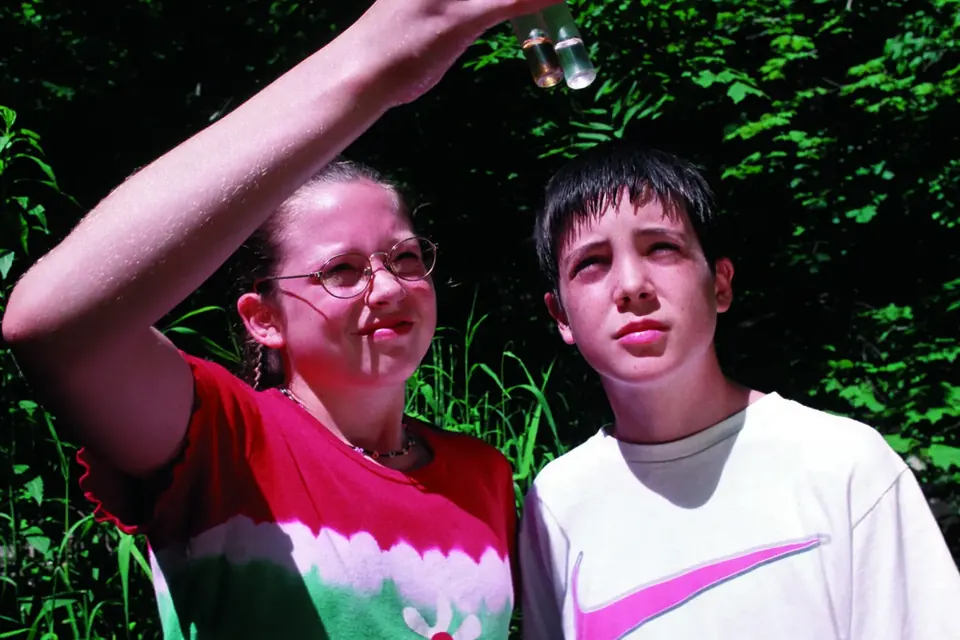
- Volunteer Water Quality Monitoring: How Community Groups Produce River Data Agencies Can Use
How volunteer river and stream monitoring works in practice: what volunteers measure, why invertebrate counts are a robust indicator, how the UK Riverfly scheme links volunteer scores to Environment Agency trigger levels, what a US-style quality assurance project plan contains, and how to design a project whose data will be taken seriously.
- What Is Citizen Science? Definitions, History and the Main Types of Project
A clear introduction to citizen science: where the term comes from, early examples such as the Christmas Bird Count, the main project models (contributory, collaborative, co-created), what public policy says about it in the US and at UNESCO, and how to find and judge a project.